BUCABUMA: Reimagining Bamboo Innovation with Frugal Tech and Digital Design
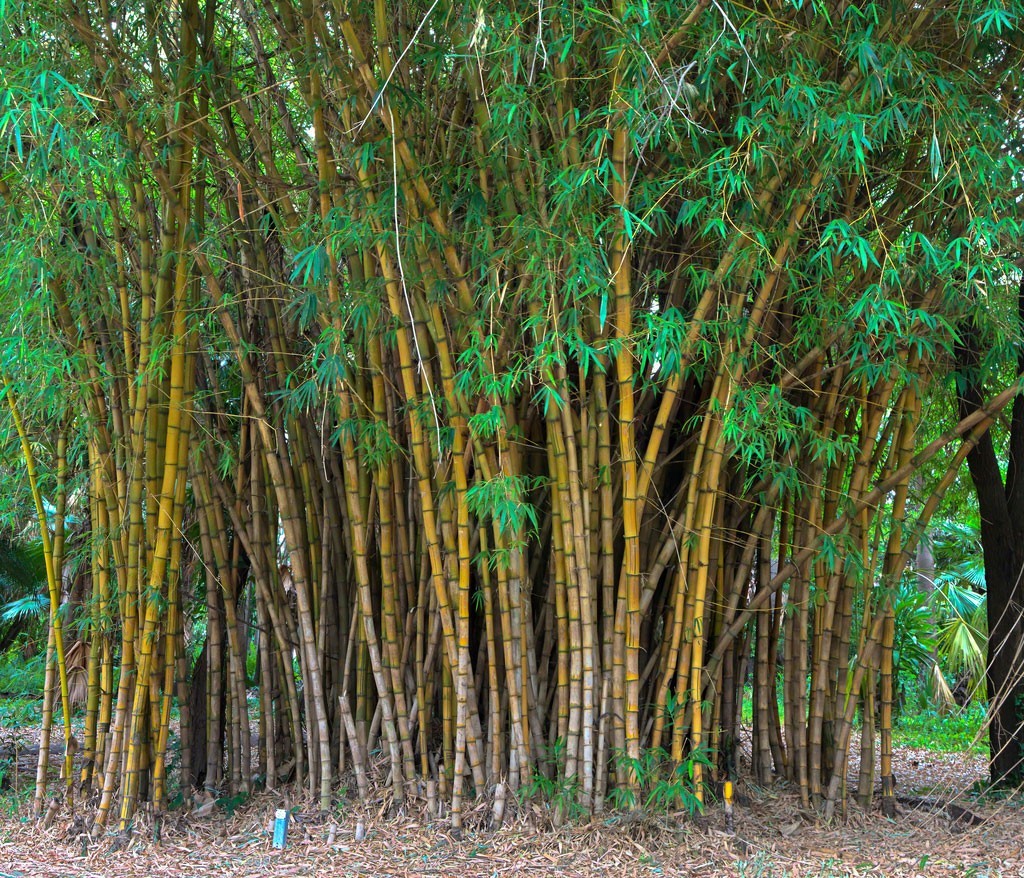
Under the BUCABUMA Project (Building Capacity in Circular Natural Materials using Frugal Digital and Traditional Engineering Innovations) bamboo is being repositioned from a traditional resource to a modern material for sustainable engineering and digital design.
Led by the TCC International Centre for Innovation, Manufacturing, Technology Transfer and Entrepreneurship (TCC-CIMET) at KNUST, with support from the European Education and Culture Executive Agency (EACEA), BUCABUMA explores how natural materials can anchor the shift toward circular, low-carbon economies.
Natural materials like: Bamboo sits at the center of this work for good reason. It matures within 3–5 years, making it highly renewable. It is strong, lightweight, and structurally efficient, with applications spanning construction, furniture, product design, and green manufacturing. In Ghana and across Africa, bamboo represents more than a material it connects culture, livelihoods, and opportunity, enabling communities to build sustainably with resources that are locally available.
What sets BUCABUMA apart is how it elevates bamboo innovation through the integration of frugal technology and digital design technologies. The project promotes practical, low-cost engineering approaches tailored to local realities, ensuring solutions remain accessible, affordable, and scalable. At the same time, digital design tools including modeling, design optimization, and digital fabrication approaches are introduced to improve precision, performance, and efficiency in how bamboo is used in modern applications. This combination allows indigenous natural materials to meet contemporary engineering and sustainability standards.
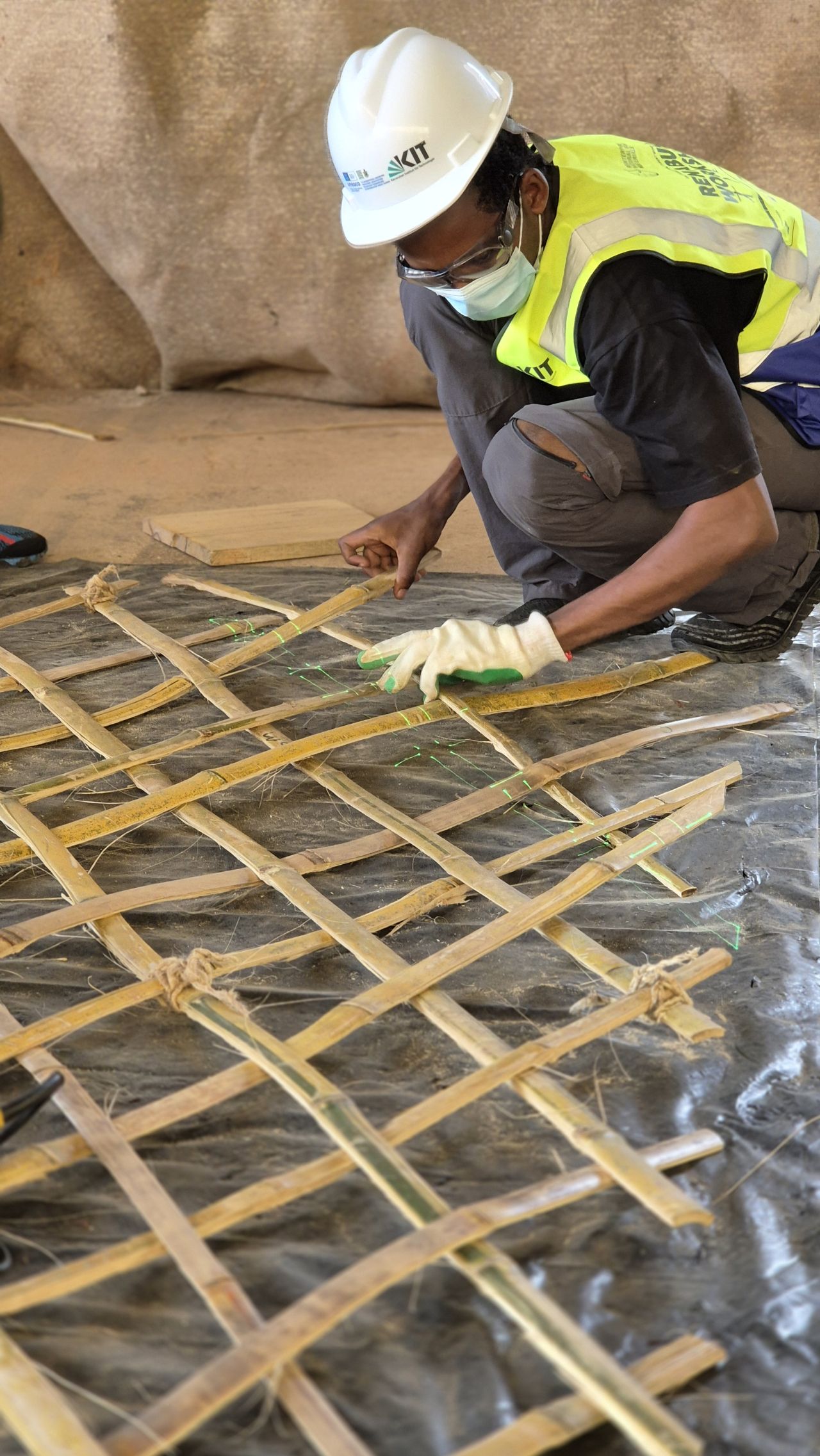
At its core, BUCABUMA is about building human capacity. The initiative equips students, researchers, and communities with the skills to innovate using natural materials, strengthening expertise in sustainable material systems, circular economy practices, climate-responsive engineering, and digital design. By starting with people, the project ensures that knowledge, creativity, and technical capability drive long-term impact.
Through an Intra-Africa Mobility Programme, BUCABUMA connects learners and researchers across Ghana, Ethiopia, Kenya, and South Africa, supported by a consortium that includes KNUST, the University of Nairobi, EiABC at Addis Ababa University, the University of the Witwatersrand, and Karlsruhe Institute of Technology in Germany. This collaboration promotes knowledge exchange, interdisciplinary learning, and shared innovation experiences.
BUCABUMA demonstrates that sustainability does not always begin with imported high-tech solutions. Sometimes, it starts with a local material like bamboo — strengthened by frugal technology, advanced through digital design, and powered by people with the skills to innovate.
Was this article helpful?
TCC-CIMET
AdminStay up to date with what's happening at TCC-CIMET and within the KNUST community
Related post:
- TCC-CIMET, DAAD explore digital pathways for circular construction in Africa
- TCC-CIMET, AESD Explore Collaboration to Strengthen Agricultural Technology Development in Ghana
- Prof. Agyare Assumes Chairmanship of TCC-CIMET Governing Board, Strengthening UNESCO, Ghana, KNUST Partnership
- Prof. Agyare Pledges to Transform TCC-CIMET and Strengthen Technology Transfer
- Precision Starts with Advanced CNC Machining
- TCC-CIMET Delivers Precision-Engineered Shaft for Legendary Foods' Coconut Shredder
- TCC-CIMET Hosts Japanese Scholars to Explore Collaboration on Technology Management and Skills Development for Artisans
- TCC-CIMET and Whitefalls Energy Explore Clean Energy Transportation Initiative for KNUST
- WiNE-KNUST, TCC-CIMET Celebrates International Women in Engineering Day with an Inspiring Seminar
- TCC-CIMET Hosts the African WEFE Nexus Summit 2026 Under the Trans Sahara Project